

Your Social Security Card: The Physical Anchor of Your Federal Identity
A Physical Social Security Card is more than just paper; it is the primary evidentiary link between your legal identity and the federal benefits system. Whether you are requesting a first-time issuance, replacing a lost document, or updating a legal name, understanding the Social Security Administration's strict evidentiary standards is the first step toward a successful application.
The Three Pillars of Document Verification
When you apply for a Social Security card, the Social Security Administration requires original documents or copies certified by the issuing agency. Photocopies or notarized copies are strictly rejected. The review process focuses on three distinct categories of proof.
Proof of Identity
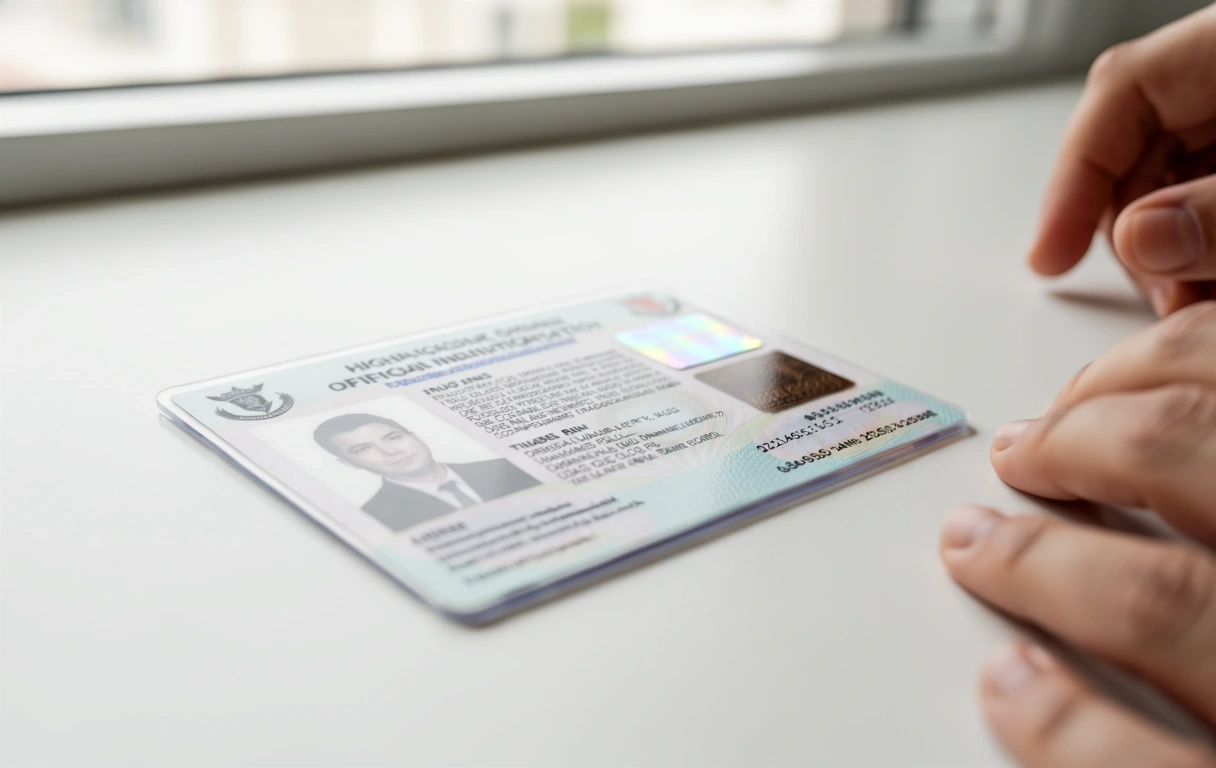
The primary document must be unexpired and show your legal name and biographical information. A U.S. Driver's License, State-issued non-driver ID card, or U.S. Passport are the only "gold standard" primary documents accepted for adults.
Proof of Age
Typically, a formal birth certificate is required. If a birth certificate does not exist, the SSA may accept a religious record made before age five, a U.S. hospital record of birth, or a U.S. passport.
U.S. Citizenship
If you were born in the U.S., your birth certificate serves as proof. If born abroad, you must provide a Consular Report of Birth Abroad, Certificate of Naturalization, or Certificate of Citizenship.

Replacing a Lost Card
If your card is lost or stolen, you can replace it for free. However, the SSA limits replacements to three per year and ten during your lifetime. These limits exist to prevent identity fraud and document trafficking.
- • Most adults can request a replacement via my social security login if no information is changing.
- • The physical card is mailed to your verified address on file within 10-14 business days.
Pro-Tip
Knowing your Social Security Number is often more important than having the physical card. Many employers use E-Verify and don't require the paper document for daily operations.
Updating Your Record
Life changes—marriage, divorce, or a court-ordered name change—require an updated Social Security record. This is the "lead domino" that must fall before you can update your ID, bank accounts, or passport.
Legal Document
Provide a certified marriage certificate, divorce decree, or court order showing the name change.
Identity Proof
You must still provide a valid ID showing your old name (or new name) to confirm your current identity.
Form SS-5
This is the universal application for a Social Security Card, required for all physical changes.

What qualifies as "Certified" evidence?
Primary Evidence (Must be Unexpired)
The Social Security Administration has a strict "hierarchy of documents." Only the following are universally accepted for adults without secondary scrutiny:
Secondary Evidence (Use only if Primary is unavailable)
If you cannot provide a primary identity document, the agency may consider secondary proofs, provided they show your name and identifying information (date of birth or age):
- Health insurance card (excluding Medicare cards)
- Certified school record showing current enrollment
- Military identification card
- U.S. Tribal ID card
Navigating Specialized Circumstances
Card issuance protocols shift significantly depending on life stage and legal status.

First-Time Issuance for Newborns
The most efficient way to obtain an SSN for a newborn is while still at the hospital. By checking the box on the birth registration form, the Social Security Administration automatically processes the request and mails the card to the child's home. If this window is missed, parents must apply in person with original birth records and parental identification at a local social security office.

Non-Citizen Restrictions & Notations
Not all Social Security cards are identical. Non-citizens authorized to work temporarily in the U.S. receive cards with the notation VALID FOR WORK ONLY WITH DHS AUTHORIZATION. If your immigration status changes (e.g., from a work visa to a Green Card), you must update your record promptly to remove these restrictive notations, as they affect your long-term benefit eligibility.
Ready to secure your physical document?
Whether you are replacing a lost card or updating your legal name, the most secure and efficient method is through your digital portal. Ensure your current mailing address is verified before initiating a request.